



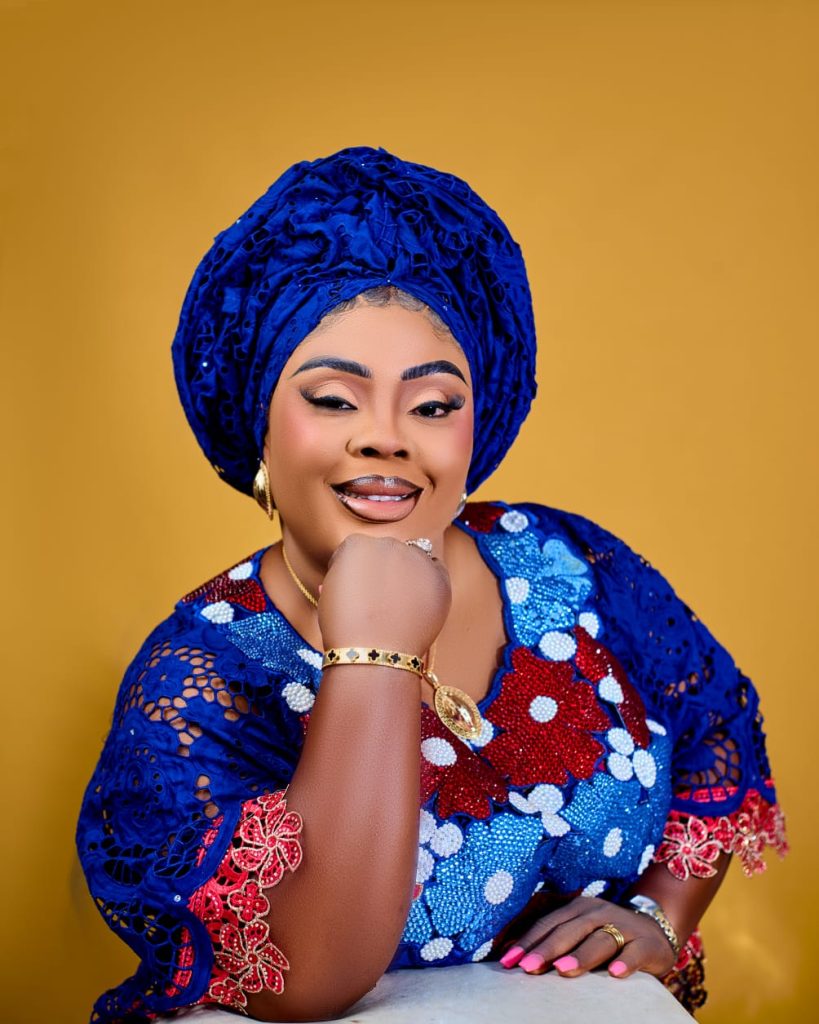
2027: Why I am running for House of Reps — Hon. Adejoke Adeyemi
1. What informed your decision to vie for the House of Representatives in 2027?
My decision to contest for the House of Representatives in 2027 is deeply rooted in a passion for service, grassroots development, and the urgent need to amplify the voices of my constituents at the national level. Over the years, I have engaged closely with communities across the constituency and witnessed, first-hand, the gaps in infrastructure, youth empowerment, women’s inclusion, and access to opportunities.
I am stepping forward not merely as a candidate, but as a servant-leader committed to effective representation, people-oriented legislation, and sustainable development. This ambition is driven by a clear vision to bring governance closer to the people and ensure that the dividends of democracy are felt in every ward and community.
2. How long have you been involved in politics in your state down to the ward level, and do you think you have the buy-in of relevant stakeholders?
My involvement in politics spans several years, during which I have been an active participant from the ward level up to the state level. I have consistently engaged with party structures, community leaders, women’s groups, youth associations, and other critical stakeholders.
Through this long-standing engagement, I have built robust relationships based on trust, accessibility, and service. I am confident that I possess significant support and goodwill from key stakeholders across the constituency, as my track record speaks to my commitment and sincerity of purpose.
3. What do you think is lacking in the current representation of your federal constituency, and what plans do you have to address these gaps?
One of the major gaps in the current representation is the disconnect between leadership and the grassroots. Many constituents feel unheard, underserved, and disconnected from the benefits of governance. There is also a pressing need for more impactful empowerment programmes, strategic infrastructure development, and stronger advocacy at the federal level.
My plan is to bridge this gap through:
Accessible Representation: Establishing regular town hall meetings and open communication channels.
Legislative Advocacy: Championing bills and motions that directly benefit our people.
Targeted Empowerment: Implementing skills acquisition, business support, and job creation initiatives.
Infrastructure Development: Partnering with relevant agencies to improve roads, schools, and healthcare facilities.
I aim to deliver results that are visible, measurable, and sustainable.
4. How many people across your federal constituency have you empowered, and can you quantify the support provided?
Over the past few years, I have directly and indirectly empowered thousands of individuals across my constituency through various initiatives. These include:
Distribution of cash grants to small business owners and widows.
Provision of tools for artisans, including sewing machines, grinding machines, and hairdressing equipment, as well as vehicles and motorcycles for logistics support.
Support for farmers through the provision of fertilisers and seedlings.
Educational interventions, including scholarships, distribution of materials, and the provision of free JAMB forms for students.
Medical outreach programmes and support for vulnerable groups.
In total, these empowerment programmes are valued at tens of millions of naira, reflecting a sustained commitment to improving livelihoods and fostering economic independence. While the numbers are significant, what matters most is the tangible impact: helping people start businesses, support their families, and build a better future.

