



UNDP, Partners Task Security Agencies on Mental Health
Editor
The United Nations Development Programme (UNDP) has called on security agencies to operationalise new strategies in mental health management and early warning systems to bolster national stability.
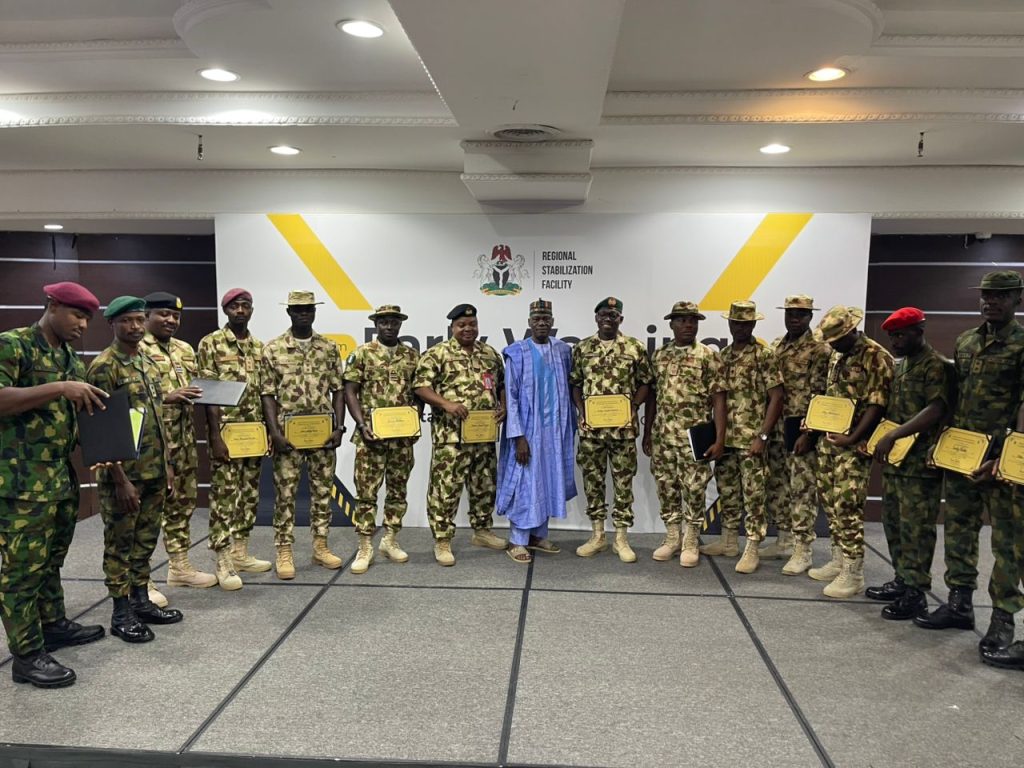
The call was made at the conclusion of a five-day Training of Trainers (ToT) on Trauma-Informed Stabilization Response and Early Warning and Response, held in Abuja.
The workshop brought together Stabilization Response Leads (SRLs) drawn from the Nigerian Armed Forces, Nigeria Police Force, Nigeria Immigration Service, Nigeria Customs Service, and the Nigeria Security and Civil Defence Corps (NSCDC) across Borno, Adamawa, and Yobe states.
The training aimed to strengthen the capacity of frontline security actors to recognise and respond to trauma experienced by colleagues, while promoting trauma-informed leadership and peer support.
Participants were encouraged to ensure that tools acquired during the training are translated into practical actions. The sessions emphasised early warning science and psychosocial support as critical components in helping personnel manage trauma associated with high-risk operations.
It also highlighted the need to reduce the stigma surrounding mental health within security formations and promote gender-responsive services.
As part of the outcomes, participants developed agency-specific action plans, including the establishment of peer-support systems and the provision of psychological first aid for officers experiencing depression or Post-Traumatic Stress Disorder (PTSD).
Speaking at the event, UNDP Rule of Law and Human Rights Specialist, Dr Paul Turay, described the participants as “change agents” equipped with a “stress antidote” necessary for modern policing and defence.
He said the initiative aims to transform how security personnel respond to trauma within their ranks and the communities they serve.
“You are going to change the way people think and the way people respond, thereby changing an entire culture. It is about looking at the status quo and flipping it to something possible,” Turay said.
He cautioned the officers to expect resistance when implementing the reforms, noting that “the enduring spirit and patience to pass on the message” would be the hallmark of their success.
The Deputy Commander-General of the NSCDC, Mr Aminu Baba, described the intervention as “timely and refreshing” for officers stationed in the North-East.
“We have passed through so much trauma and stress in the course of our duties. We are going back to train our colleagues to help reduce stress among officers and the communities we serve,” Baba said.
Similarly, Squadron Leader Peter Augustin of the Nigerian Air Force (NAF) highlighted the necessity of the tools for soldiers returning from the frontline.
“Our environment can be very challenging. With these tools, we can help soldiers manage stress and remain effective,” Augustin said.
For Mary Stephen of the Nigeria Police Force, the workshop served as a vital platform for inter-agency collaboration, bringing together personnel from the military and paramilitary agencies to find common ground in community engagement.

